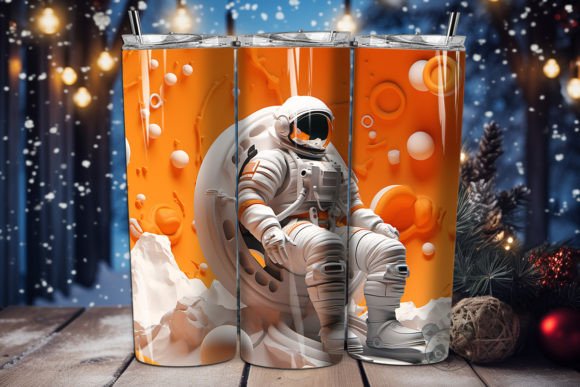
Mastering Your Craft with the 3D Halloween Astronaut Tumbler Wrap 21
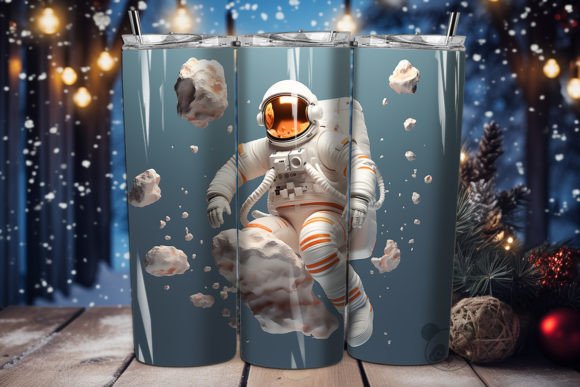
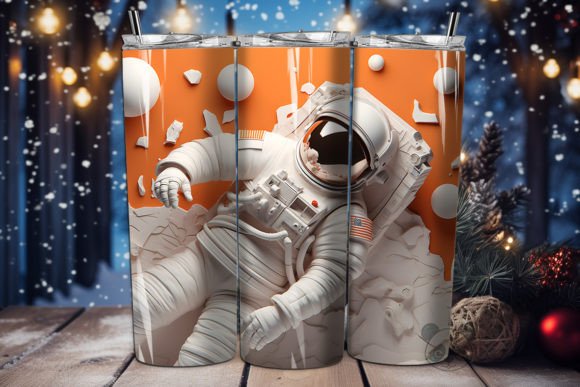
The intersection of spooky season aesthetics and futuristic space themes has created a unique niche in the sublimation market, and the 3D Halloween Astronaut Tumbler Wrap 21 sits right at the center of this trend. For creators, small business owners, and hobbyists looking to capitalize on October demand, this design offers a compelling visual narrative. It combines the classic imagery of pumpkins and ghosts with the sleek, modern look of an astronaut suit, all rendered in a watercolor style that adds depth and texture. However, possessing a high-quality digital file is only half the battle. Many enthusiasts rush into printing without fully understanding the nuances of working with 3D seamless patterns or the specific requirements of skinny tumbler applications. By addressing common pitfalls early, you can ensure your final product looks professional rather than amateurish.
Understanding the Design and Its Potential
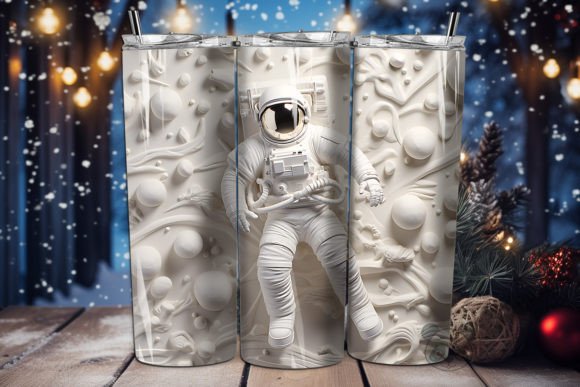
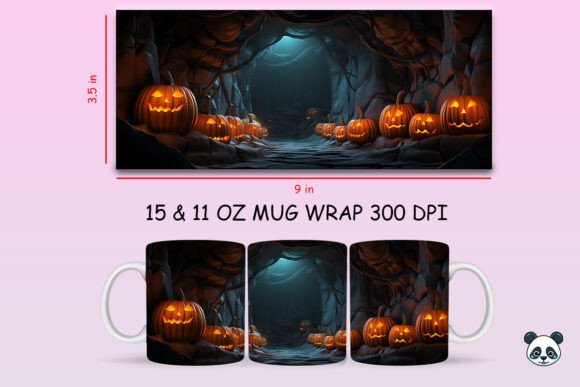
The 3D Halloween Astronaut Tumbler Wrap 21 is more than just a static image; it is a carefully constructed composition designed specifically for 20 oz skinny tumblers. The "3D" aspect refers to the layering of elements—the astronaut, the background textures, and the floating Halloween motifs—which creates an illusion of depth when printed. This depth is crucial because flat designs often get lost on curved surfaces. The inclusion of a dedicated background ensures that there are no unsightly white gaps if the wrap shifts slightly during application. Whether you are a seasoned marketer selling custom drinkware or a beginner making gifts for friends, recognizing that this file is optimized for a 9.3 x 8.2 inch area is the first step toward success. The watercolor technique used in the design softens the harsh lines often associated with space gear, making it approachable and stylish for a wider adult audience aged 20 to 50.
Avoiding Resolution and Scaling Misconceptions
One of the most frequent errors creators make involves misunderstanding digital resolution versus physical size. When you download the Halloween Astronaut png included in the zip file, it is provided at 300 DPI (dots per inch). This is the gold standard for sublimation printing. A common mistake is resizing this image significantly larger than its intended dimensions in an attempt to fit different products. If you stretch a file designed for a skinny tumbler to fit a standard mug or a large pitcher, the software must interpolate pixels, resulting in a blurry, pixelated mess. The 300 DPI guarantee only holds true at the specified 9.3 x 8.2 inches.
To avoid this, always check the image properties in your design software before placing it on your template. If you need to use this design on a different sized item, do not simply drag the corners to expand it. Instead, consider using the Halloween Astronaut 3D seamless pattern element if available in your toolkit to tile the background, while keeping the main astronaut focal point at its original scale. Remember, a crisp, smaller image always looks better than a large, grainy one. This attention to detail directly impacts the perceived quality of your product and can be the difference between a repeat customer and a refund request.
The Trap of Ignoring Printer Profiles and Color Management
Sublimation is a chemical process where ink turns into gas and bonds with polymer coatings, and it is notorious for color shifting. A vibrant, deep orange on your computer monitor may print as a dull brown if your printer profile is not calibrated correctly. Many users blame the Halloween Astronaut tumbler wrap design for looking "washed out," when the issue actually lies in their workflow. The rich watercolor textures in this specific design rely on subtle gradients. If your printer is over-saturating or under-saturating certain channels, those delicate transitions disappear.
Before committing to a full production run, it is essential to print a test strip. Compare the printed colors against the original digital file under good lighting. If the blacks look gray or the oranges look muddy, adjust your ICC profile or printer settings. Do not assume that "what you see is what you get" applies to sublimation without verification. Furthermore, ensure you are using high-quality sublimation paper and ink; cheap materials often fail to capture the nuance of a 3D design, flattening the visual depth that makes this wrap special.
Application Errors That Ruin the Finish
Even with a perfect print, the application process can introduce defects. The Halloween Astronaut skinny tumbler shape requires precision. A common oversight is failing to account for the taper of the tumbler or the seam allowance. When wrapping the paper around the 20 oz skinny tumbler, tension must be even. If the paper is too loose, you will get ghosting or blurring where the ink spreads unevenly. If it is too tight, the paper might tear or leave crease marks that manifest as white lines in the final image.
Another frequent error is improper heat press timing and temperature. Sublimation requires a specific balance; too little heat and the ink doesn't bond, leading to fading after the first wash. Too much heat, and you risk scorching the coating or distorting the tumbler itself. Since this design features a continuous seamless pattern background, any misalignment at the seam will be glaringly obvious. Take the time to measure your tumbler's circumference accurately. Use heat-resistant tape to secure the wrap firmly, ensuring the edges meet perfectly without overlapping too much, which can create a thick ridge.
Clarifying Digital vs. Physical Expectations
It is vital to reiterate that purchasing the 3D Halloween Astronaut Tumbler Wrap 21 grants you access to a digital asset, not a physical product. Confusion sometimes arises among buyers who expect a pre-printed sheet or a finished tumbler to arrive in the mail. This is an instant digital download containing a ZIP file with the necessary PNGs. You must have your own sublimation printer, heat press, and blank tumblers. This distinction is crucial for entrepreneurs calculating their costs. Your profit margin depends on sourcing quality blanks and managing your material costs effectively, not just the price of the digital file.
Additionally, ensure you have the technical know-how to handle these files. If you are new to sublimation, take time to learn how to mirror images (if required by your specific workflow, though wraps usually do not need mirroring unless specified) and how to position the design within your cutting software. The file is ready to print, but it is not "plug-and-play" without the proper equipment and knowledge.
Making the Right Choice for Your Project
When evaluating whether this design fits your needs, consider your target audience. The Halloween Astronaut theme appeals to a broad demographic, from teachers looking for festive classroom items to boutique owners curating seasonal collections. The 3D aesthetic provides a modern twist that stands out against traditional flat Halloween graphics. Before downloading, verify that your project aligns with the 20 oz skinny tumbler规格. If you plan to offer a variety of sizes, ensure you have the skills to adapt the design or purchase additional templates tailored to those specific dimensions.
In conclusion, the 3D Halloween Astronaut Tumbler Wrap 21 is a powerful tool for creating standout seasonal products, but its potential is only realized through careful execution. By respecting resolution limits, calibrating your colors, mastering the application technique, and understanding the digital nature of the product, you can avoid common frustrations. Approach your sublimation projects with patience and a willingness to test, and you will find that this design delivers the high-quality, eye-catching results that customers love. Happy creating, and may your Halloween season be filled with successful presses and satisfied clients.